Molasses is a source of important nutrients, including manganese, magnesium, copper, potassium and calcium. Food grade, shelf stable. Plants and beneficial microbes have a sweet tooth, too!
read more
For soil: excellent source of naturally chelated elements, enzymes, and amino acids. For livestock: excellent source of iodine, vitamin A and dozens of other vitamins and trace minerals.
read more
NPK: 2.5-0.4-3.3 avg. Gives plants a noticeable boost and feeds soil organisms. Excellent vegan alternative to blood meal as a nitrogen source. Hands-down the best-smelling fertilizer out there.
read more
Perennial legume, up to 3' high. This fragrant plant has beautiful purple flowers and is great for hay and as a cover crop. Herbalists consider it a valuable nutritive tonic.
read more
Annual spring grain. Variety: ‘Quest.’ Suitable for cover-cropping, grain production, home brewing, or forage. Reliable, valuable feed grain for livestock.
read more
Annual spring grain. Truly hulless variety, which makes for quick, easy, low-tech processing. Fast-growing, and competes well with weeds. Tolerates drought and heavy soils.
read more
Annual broadleaf. Excellent cover crop for outcompeting summer weeds. Makes tasty flour for pancakes or baked goods. Bees like its abundant nectar.
read more
Biennial legume. Up to 36". Vigorous red clover for cover cropping or grazing. Deep taproot. Tolerates shade, so a good choice for overseeding into standing crops. Blossoms make a lovely tea.
read more
Short-lived perennial legume. Up to 24". Vigorous and high-yielding clover suitable for pastures, underseeding and cover-cropping. More drought-tolerant than white clover.
read more
Perennial legume. Up to 9". Small-leafed perennial clover establishes quickly and withstands traffic and close mowing. Our favorite clover for organic pasture.
read more
Biennial legume. Up to 6'. Vigorous clover for cover cropping, bee forage and green manure. Long thick taproots are very effective at breaking up subsoils and improving soil aeration.
read more
Broadleaf annual. Roots penetrate hardpans and loosen soil down to 30" or beyond. Takes up available soil nutrients and prevents losses to leaching or runoff. Suppresses weeds if planted thickly.
read more
Annual legume. Also called Forage Peas. Great as weed-smothering workhorse soil builder, or a tasty and highly digestible forage. Likes cool moist conditions. Will grow in most soil types.
read more
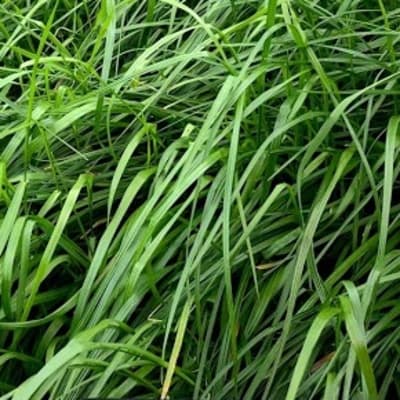
Annual or winter annual grass. Extremely frost hardy. Widely adaptable. Will establish quickly in cool wet spring weather, providing a dense cover crop and outcompeting weeds. Good erosion control.
read more
Annual grass. Vigorous, competitive, adaptable cover crop or annual forage. Likes heat and high fertility. Grows best in warm weather when other grasses slow down.
read more
Perennial grass. Long-lived vigorous grass. Tall leafy plants grow rapidly even in poor soils, tolerates moderately drained soils. Can be established in spring, summer, or even late winter.
read more
Short-lived perennial grass. Extremely palatable forage grass, popular in grazing mixes. Germinates quickly and grows rapidly, suppressing weeds. Holds up under heavy traffic. Good pest resistance.
read more
Perennial grass. Long-lived, versatile and low-maintenance grass good for pasture, lawn, or hay. Deep and extensive root system protects against erosion. Tolerates most adverse conditions.
read more
Perennial grass. A popular perennial hay species that produces good yields, resists lodging and is easily cut and cured. Very winter hardy. Does not tolerate heat or drought.
read more
Triticale is a hybrid of wheat and rye, and boasts many advantages over plain winter rye. This variety was selected for winter hardiness and consistently high yields of both forage and seed yields.
read more
With annuals and biennials, grasses and legumes and broadleafs, and roots of all shapes and sizes, this blend mimics natural diversity and encourages a flourishing and balanced microbial population.
read more
Superb cover crop mix for fall planting where mechanical tillage is available the following spring. 78% winter rye and 22% hairy vetch. Adds nitrogen to the soil and suppresses weed growth.
read more
Perennial pasture mix of grasses and clover, well suited to Maine and other areas with similarly variable weather and temperatures. Provides season-long regrowth and good grazing.
read more
This dynamic cover crop duo has become a favorite of growers who value its vigorous growth and soil-building prowess, along with the assurance that it will winterkill up North.
read more
A superior soil-building cover crop mix. The oats come up first and are pulled down by the peas, which are then pulled down by the smothering vetch. Weeds don’t stand a chance in that jungle!
read more
Annual grass. A solid all-purpose oat. Generates biomass and smothers weeds. Tolerates bad weather and soil conditions. Excellent feed for cows and horses.
read more
Annual grass. Vigorous, lush foliage. Significantly more biomass production than common oats, making them superior for cover-cropping/soil-building, and for feeding livestock. Organic seed.
read more
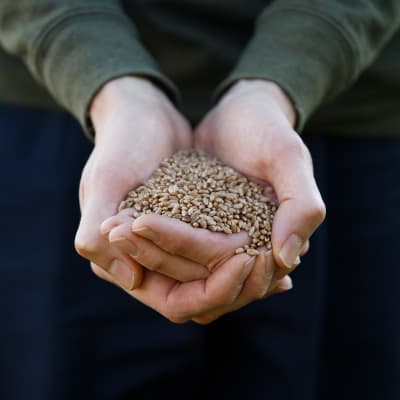
Annual grain. Hard red spring variety that bakers favor for its superior milling and baking qualities. High in protein, very high test weight. Solid disease resistance.
read more
Winter annual grain. Extremely cold hardy hard red wheat. Flour has great flavor and texture, and sturdy plants make great straw. Good for small spaces. Well adapted to New England. Will Bonsall fave!
read more
Winter annual grass. Extremely frost hardy, adaptable and competitive. For cover crop or grain. Deep extensive roots help prevent compaction and improve soil tilth. Vigorous spring regrowth.
read more
Widely known to effectively repel burrowing mammals like moles, voles, gophers, rabbits, ground squirrels and armadillos. Much cheaper and more versatile than granular castor oil products.
read more
Neem has long been recognized for its antifungal, antibacterial and antiparasitic properties. Promotes the health and vitality of trees and plants. Deters a wide range of insect pests.
read more